
Telecare

Telecare is an emergency alarm and remote monitoring system.

See contact details for the Technology Enabled Care, Telecare and Telehealth teams.

TEC Logo

About telecare

Telecare helps people feel safe, supported and confident living at home. It provides reassurance that help can be called quickly if something goes wrong, such as a fall. Telecare can also support families and carers by offering peace of mind, day and night.

How does telecare work?

Telecare uses small, discreet equipment that you can wear or have placed around your home, so you can get help if you need it.

Some equipment is used by you, for example by pressing a button. Other equipment works automatically, such as a fall detector, door alarm or smoke alarm, and can send an alert if something happens.

When an alert is raised, it goes through to the NHS Highland Hub Response Centre. A trained operator will speak to you through your telecare box to check what’s happening and arrange the most appropriate help.

This is usually contacting a family member, neighbour or carer. In a medical emergency or fire, they can contact the emergency services.

What is available?

The standard package is a Telecare button, which you simply press to call for help.

There are more advanced options available for people who may not be able to raise the alarm for help. These include:

Fall, bed or movement sensors
These can raise an alert automatically if there is a possible fall.

Door, smoke, heat or flood sensors
These help alert someone if there may be a safety risk in the home.

Medication dispenser
Helps people take the right medication at the right time.

Carer pager
Telecare alerts go directly to a carer living in the home via an easy-to-use pager.

To see how Telecare could help you or someone else, please visit the Telecare Self-Check Online Tool.

How could telecare help me?

If you are worried about falls, you could get a Telecare button that you simply press to call for help.

If you feel unsafe when you are away from your home on your own, you could get door sensors that will let someone know if you leave your home and that you may need help.

If you are a carer and aren’t sleeping well because you might miss something, you could get a pager, which will alert you when your help is needed.

If you are anxious and need extra support after a stay in hospital or after a life-changing event, you could get confidence and reassurance from a Telecare button.

If you are struggling to take the right medication, you can get a medication dispenser that helps to keep you right.

If you need help to leave your home in the event of a fire, a smoke detector can be fitted to provide an early alert. 

Telecare for carers living in the home

If a carer lives in the same property, Telecare alerts can be sent directly to them instead of the NHS Highland Hub Response Centre.

A carer pager is an easy‑to‑use device that alerts the carer immediately if an alarm is activated, for example if a door opens or a fall is detected.

This can help carers get a better night’s sleep, knowing they will be alerted if something happens.

In these situations, nominated responders are not required.

Telecare can also be connected to both the NHS Highland Hub Response Centre and a carer pager. This allows the carer added peace of mind when they leave the house, supporting them to do the things they enjoy or continue working.

What do I need to get Telecare?

To use the service, you will need:

• Three people (known as responders) we can contact in an emergency, such as family, friends or neighbours. They should live in separate households and be able to reach your home within 30 minutes.

In some circumstances, we can accept referrals with two responders.

• To be willing to pay for the service, unless you qualify for the service free of charge.

• To have a broadband connection or mobile signal in your home. Don’t worry - this will be checked by our telecare installers when your equipment is installed.

How much does it cost?

There is a weekly charge of £6.35. However, if you are on a low income or receiving palliative care, you may be eligible for the service free of charge.

How do I apply for telecare?

You can apply directly for our standard Telecare service, which uses a Telecare button to raise an alarm call for help.

Start referral for Telecare

Before starting the referral, please ask your nominated responders if they are willing to be contacted and to get as many contact details as possible (including address, landline number and mobile number).

If more advanced Telecare sensors are needed, such as a bed sensor or smoke detector, a Telecare assessment will be required. This can be arranged by contacting your local Adult Social Care team.

What happens next?

Once your referral has been processed by the Technology Enabled Care (TEC) team, your local Highland Handyperson Scheme will contact you to arrange a date to install your telecare equipment.

During the installation visit, the Handyperson will explain how the equipment works and make sure you feel confident using it.

With your consent, we will also request a home fire safety visit from the Scottish Fire and Rescue Service and ask SSE to add your details to their Priority Services Register.

Digital switch

All phone lines in the UK are being upgraded from analogue to digital by telecom providers. This change affects services, like Telecare, that previously relied on analogue phone lines.

To prepare for this, we have introduced a new digital telecare box. This no longer uses an analogue phone line and instead works using a mobile SIM card or a broadband connection.

What this means for Telecare clients

We have now successfully migrated most of our Telecare clients to the new digital telecare box and new clients will automatically receive a digital telecare box.

Please be assured that this digital upgrade does not change how the Telecare service works. Clients will continue to receive the same high standard of support and response they are used to.

If you still have an older analogue telecare box

If you are an existing client and still have an older analogue telecare box (pictured below), we will contact you when we are ready to replace it.

In the meantime, please continue to use your Telecare service as normal.

If your phone provider contacts you about changes to your phone line, or if you have concerns about your telecare equipment, please contact the Telecare team for advice.
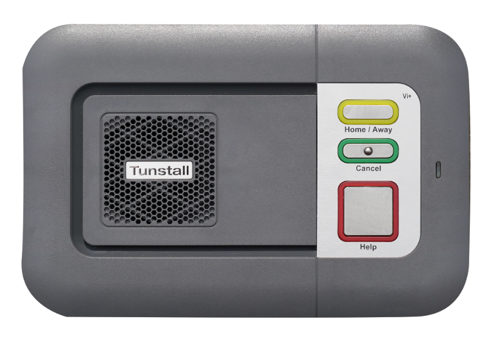
Tunstall base unit with yellow, red and green buttons

Further information

You can find more information about the digital phone line upgrade on the Ofcom website, or by contacting your phone provider directly.
Scam calls

We are aware of a scam that has been circulating, targeting vulnerable people and telecare clients.

Scammers may contact people and ask them to sign up for a Telecare service or request payment for a new digital telecare box, claiming that their current equipment is out of date. In some cases, they may pretend to be calling from NHS Highland or a local GP practice.

Please be reassured:

  • We will never call you and ask for your bank details
  • We will never ask you to pay for new telecare equipment
  • Any upgrade to a new digital telecare box is provided free of charge

If you receive a call about your Telecare service and are unsure whether it is genuine, please contact the Telecare team directly for advice.

You can also find useful information from Age Concern about how we can protect ourselves from phone scams.

  • Technology Enabled Care (TEC)

    Technology Enabled Care (TEC), is the use of technology to provide health and care services to people in their own ho...

  • Telecare

    Telecare is an emergency alarm and remote monitoring system.

  • Guide to simple video calling devices

    A guide to help explore the range of simple video calling devices that are available on the market.

  • High street technology

    Explore a range of products that can help you lead healthier, happier, more independent and safer lives.

  • Telehealth

    Telehealth uses technology to provide healthcare away from a healthcare setting, often in your own home.

Last updated: 20 March 2026