
Starting solids (weaning)
Starting solid foods is an exciting milestone in your baby's first year.
Every baby learns differently, and mealtimes should be fun, relaxed and pressure-free.
Remember, we're not aiming for perfect meals. We're helping your baby explore new tastes, textures, colours and family mealtimes.
Breast milk or infant formula is your child’s main source of nutrition for the first 9 months.
On this page
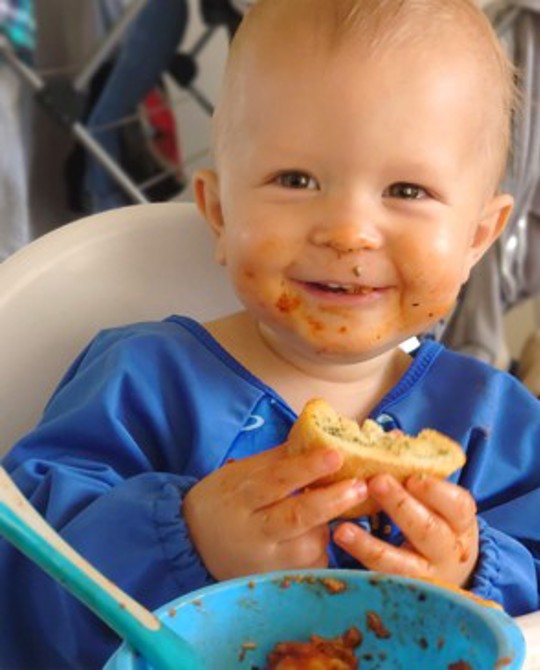
Is my baby ready for solid foods?
Most babies are ready to start solid foods at around 6 months of age. This is because their gut is more mature and they can:
sit upright and hold their head steady
pick up food and bring it to their mouth
swallow food instead of pushing it out with their tongue
Safety first
For safe mealtimes make sure you:
stay with your child while they are eating
make sure they are sitting upright
offer foods suitable for their age and stage
keep mealtimes calm and relaxed
allow plenty of time for eating
Helpful tips for weaning
Use a wipe-clean mat under the highchair, or a towel.
Choose easy-to-clean clothes or bibs.
Offer manageable portions.
Focus on learning rather than cleanliness.
Enjoy the memorable moments.
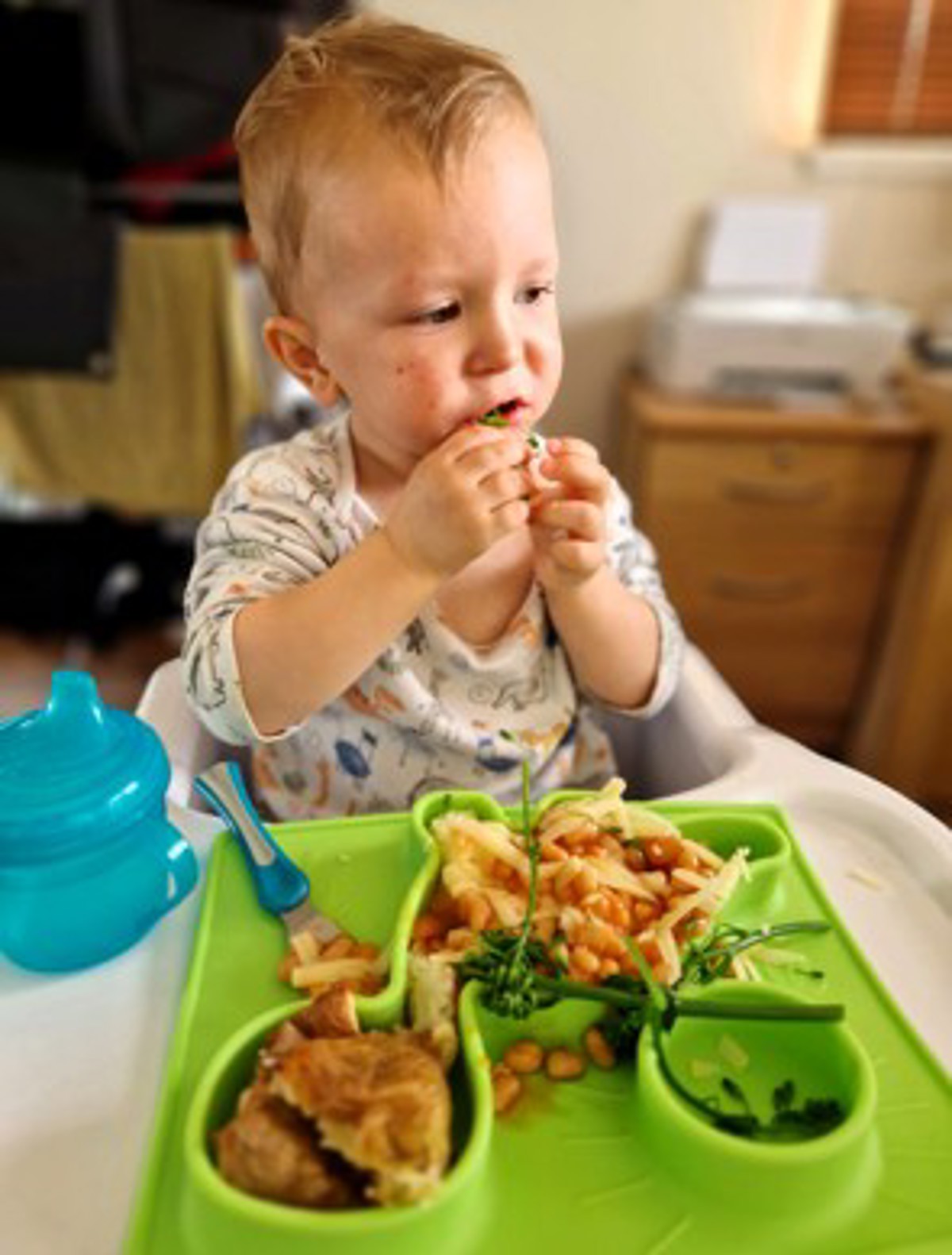
Learning through mess
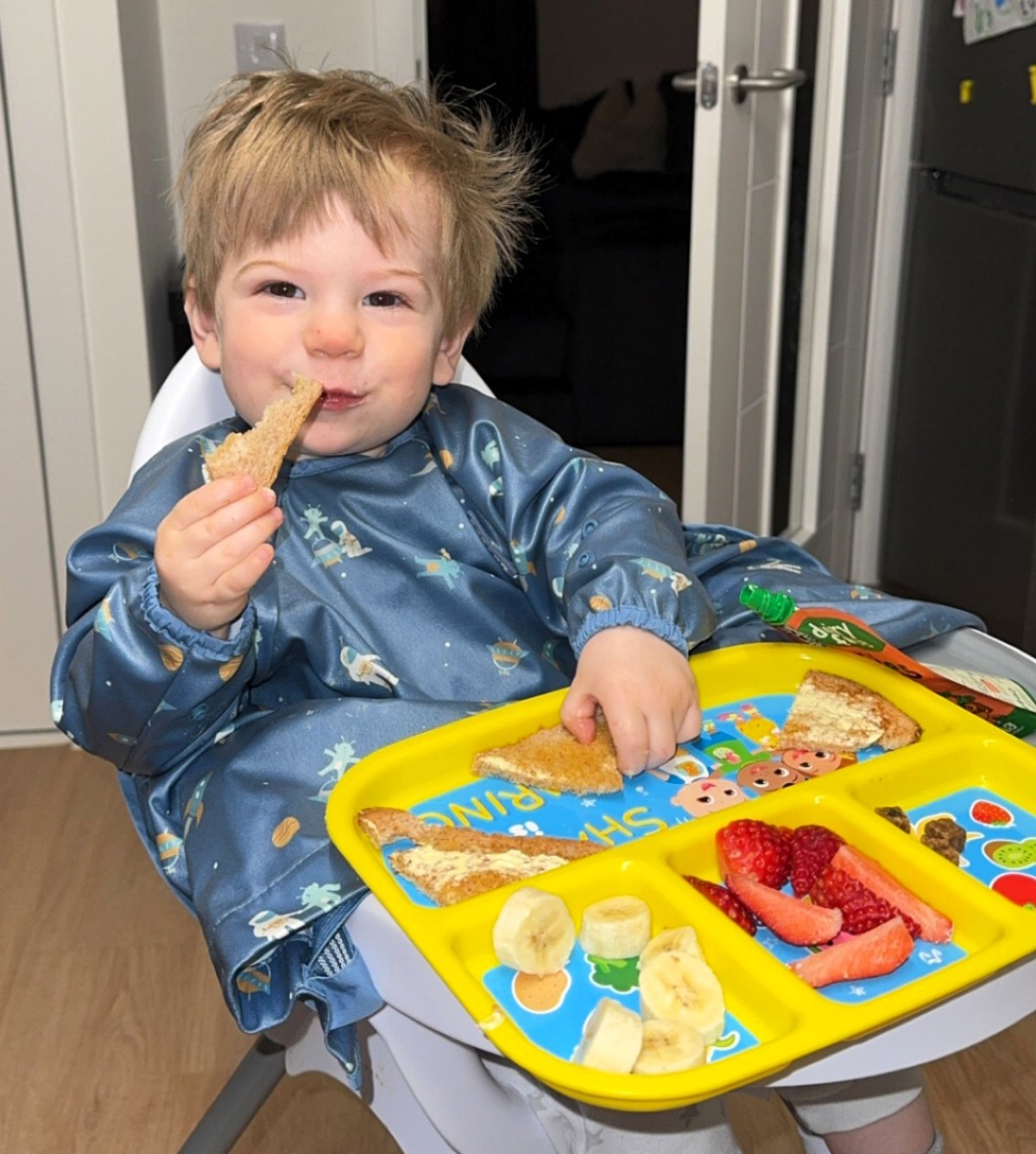
Messy eating is part of learning. When children touch, squeeze, squish and explore food, they learn about:
how food looks
how food smells
how food feels
how food tastes
It also helps your infant to:
explore different tastes and textures
practise picking up food
support development of hand-to-mouth coordination
learn how to put food into their mouth
builds their confidence and independence
learn about hunger and fullness cues
decide how much food they would like to eat
learn how to use a spoon if they would like to
Common weaning challenges
"My baby doesn't eat much"
This is normal.
continue milk feeds
keep offering food
trust your child's appetite
Some days they may eat more, some days less. That's completely normal.
"My baby refuses new foods"
Keep trying.
offer foods again another day
let your baby see you eating them
avoid pressure
It can take lots of opportunities before a baby accepts a new food.
"My baby throws food"
This is a normal part of learning.
offer smaller amounts
stay calm
expect a little mess
Throwing, dropping and squashing food helps children learn about food and texture.
"My baby makes a mess"
Let your baby explore safely.
Use bibs and wipe-clean mats.
Focus on fun rather than tidiness.
Messy play helps children learn and develop feeding skills.
Every baby learns differently
Some children take to solids quickly, others need a little more time.
be patient
keep offering
keep enjoying family mealtimes
celebrate every little step
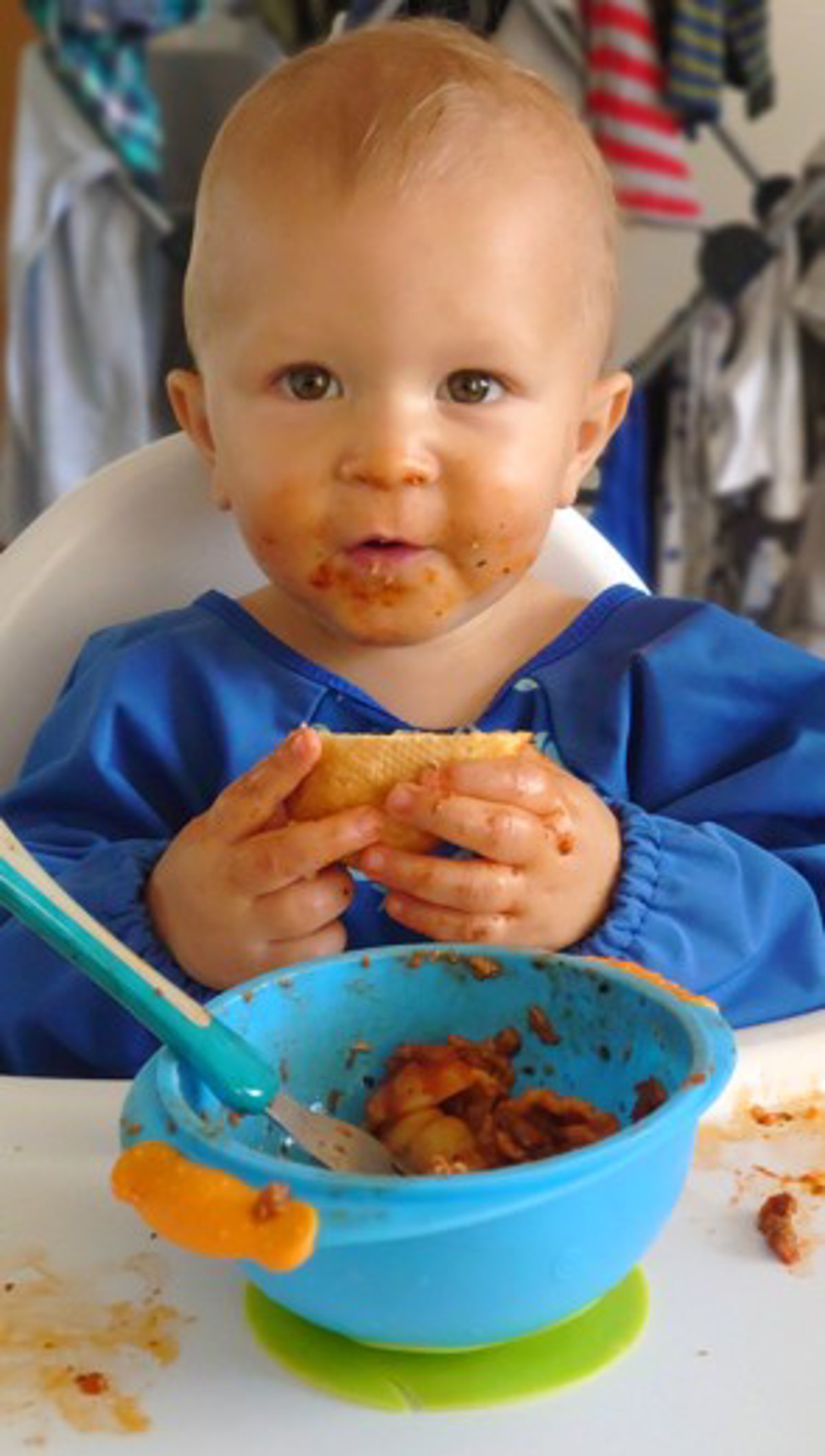
Gagging vs choking
Gagging is normal:
coughing
spluttering
watery eyes
Choking is an emergency:
silent or unable to cry
unable to cough
difficulty breathing
blue or pale skin
Call 999 immediately if you think your child is choking.
Healthy habits for happy mealtimes
Eat together as a family.
Offer a variety of foods.
Let your child decide how much to eat.
Stay relaxed about mess.
Keep offering foods they initially refuse.
Make mealtimes enjoyable and pressure-free.
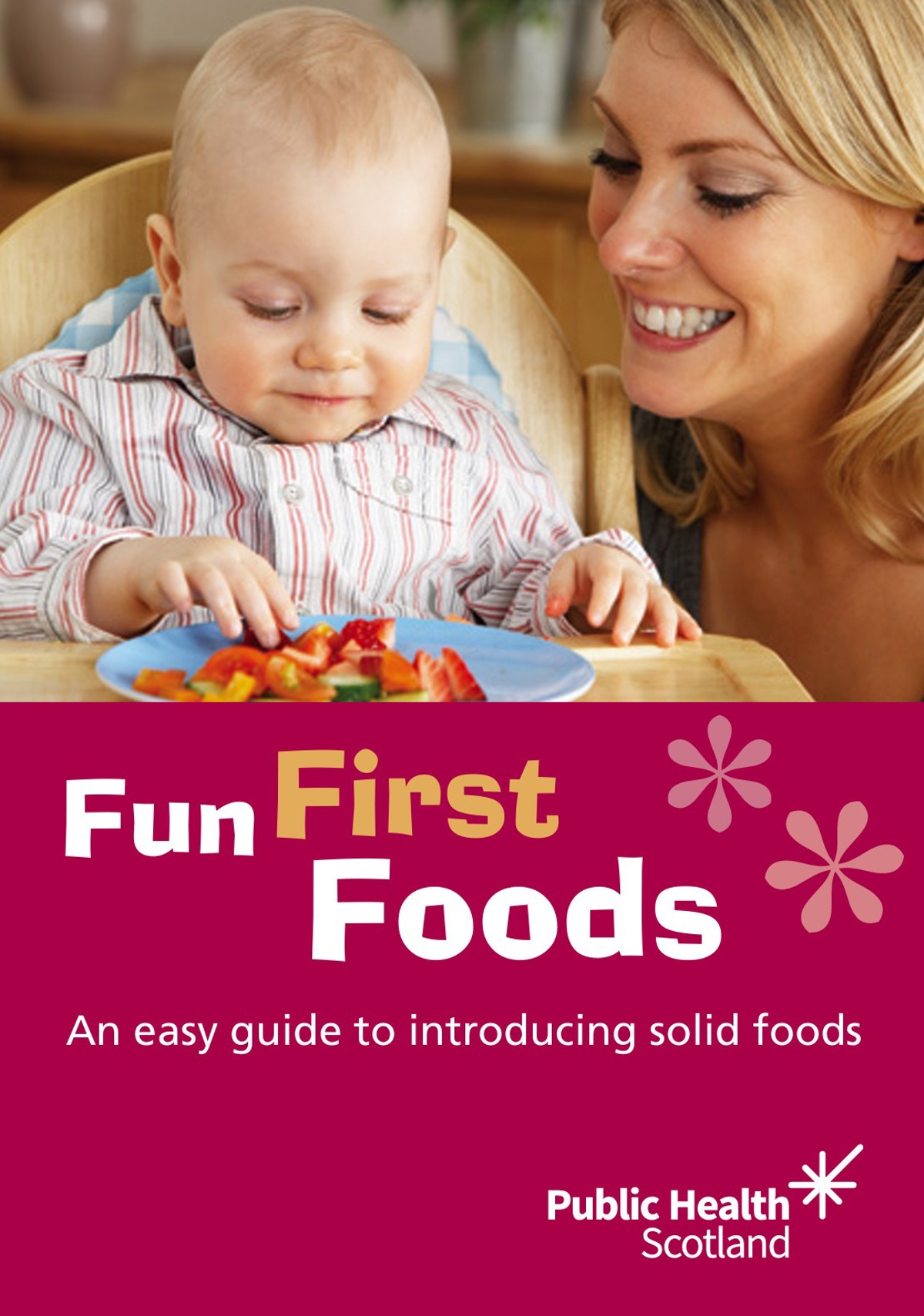
Fun First Foods
Practical guidance, recipes and tips for introducing solid foods - from Public Health Scotland.
read the English version (pdf, October 2026)
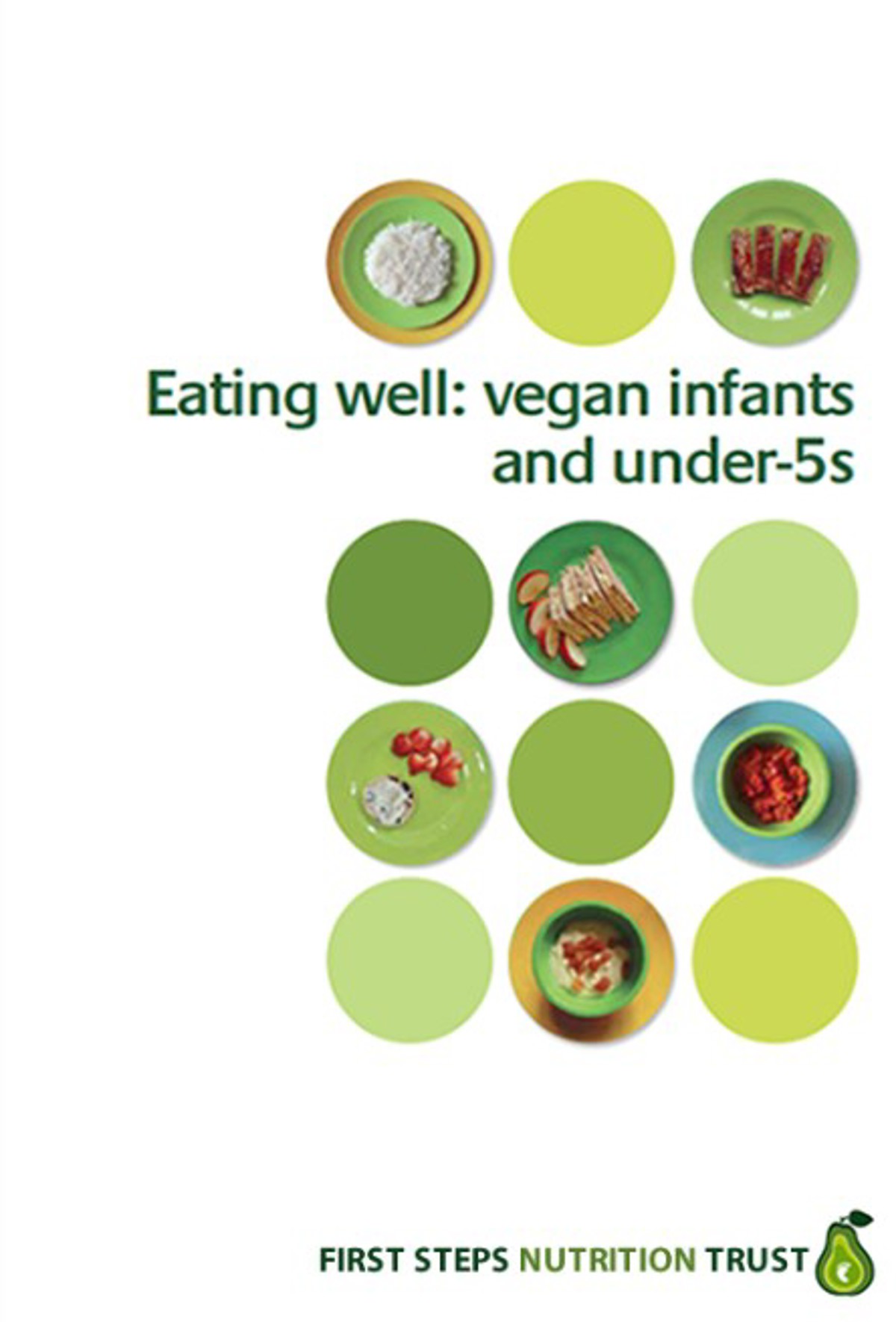
First Steps Nutrition Trust
Practical information and advice - expert guidance on introducing solids, healthy eating and special diets.
If your family follows a vegetarian or vegan diet, guidance is available to help you plan healthy meals for your child.
See Infants and new mums - including:
Need more support?
See Weaning and first foods from Parent Club Scotland - videos, advice and support on weaning, first foods and family mealtimes.
Local support
your health visitor
your family nurse
your midwife
your paediatric dietitian
Infant feeding - related pages
-
Maternity and neonatal
Information and support to prepare you for pregnancy, labour, birth and the early days of parenting.
-
Infant feeding
Within NHS Highland we are committed to supporting you in your choice to feed your baby.
-
Learn about feeding
During your pregnancy you should have had the opportunity to discuss your thoughts and feelings about feeding with yo...
-
Breastfeeding
Breastfeeding has long-term health benefits for both you and baby.
-
Formula feeding
If you decide to formula feed your baby, it is important that for the first year of your baby's life that they only r...
-
Mixed (combination) feeding
Mixed feeding, or combination feeding, is when you choose to breastfeed sometimes and give formula at other times.
-
Breastfeeding support services
NHS Highland infant feeding team are passionate and committed to support you on your breastfeeding journey.
-
Local infant feeding support groups
Support groups, locations and times listed.
-
Map of breastfeeding-friendly venues and support groups
Use our interactive map to find a Breastfeeding Friendly Scotland scheme venue, or a local infant feeding support group.
-
Starting solids (weaning)
Starting solid foods is an exciting milestone in your baby's first year.