
Power of Attorney case studies
Real stories about Power of Attorney and Guardianship.
Read more about Power of Attorney.
On this page
Case study: Power of Attorney
Catriona Grant writes:
"My parents arranged their Power of Attorneys (welfare and continuing powers) in 2008. They were 70 years old at the time, both in good health and living independently. They appointed each other as their Attorneys alongside my sister and I, with us being able to act together or separately to each other.
In 2018, at the age of 81, my mother was diagnosed with Alzheimer-type dementia.
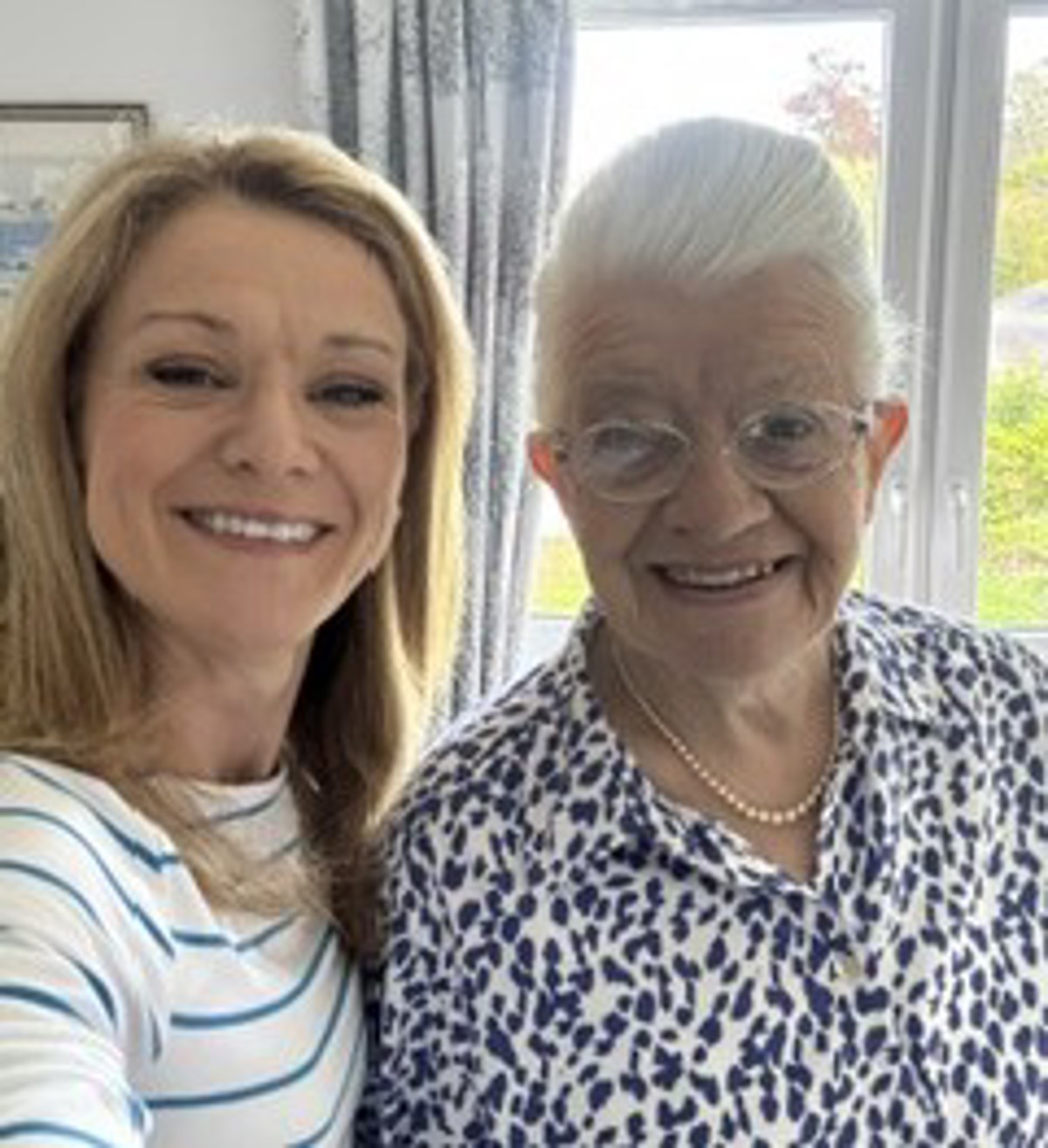
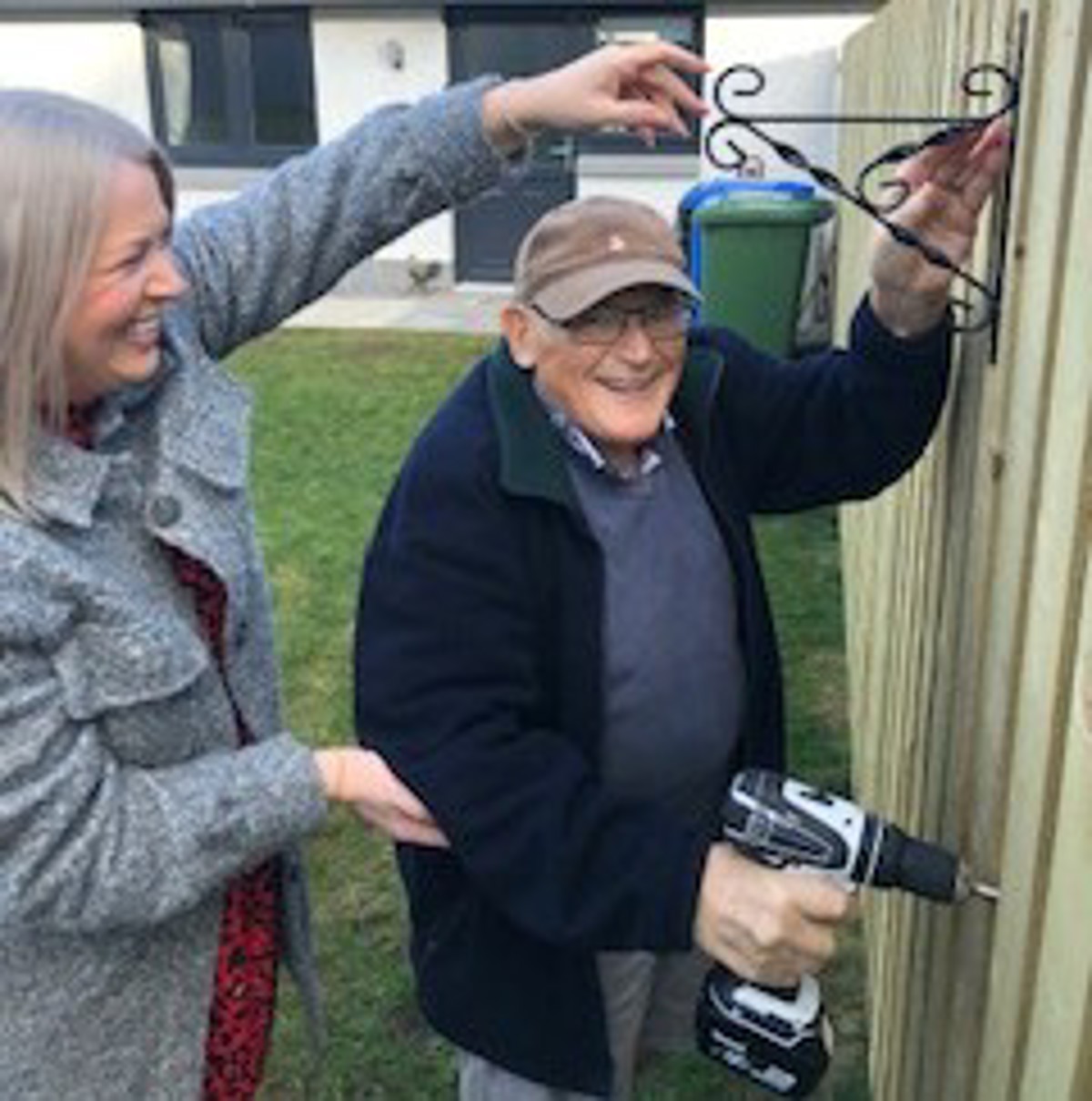
In February 2021, my father suffered a heart attack and then was diagnosed with terminal bowel cancer in May 2021. This led him to want to ensure all arrangements were in place both for himself and my mother, as his illness and her dementia illness progressed. Having the PoA document in place enabled my sister and I to support our parents in their decision making.
My father’s illness progressed quite rapidly but he was still mentally able to manage his affairs and give direction to my sister and I. The continuing PoA enabled my sister and I to support our father to arrange the sale of the family home and the purchase of a much smaller house where my parents’ needs could be met, and my mother’s needs could be met longer term. This enabled my father to still feel in control of his affairs and have the full support of his daughters to enable this to happen smoothly.
As my father’s health declined, and my mother’s needs increased, my sister and I were able to utilise the welfare power of attorney powers to engage with health and social work services. We sought assessment, requested a self-directed support direct payment and arranged the provision of support my father required in his final stages of life, while ensuring a package of care and support was in place for our mother.
Having the PoA document in place for welfare and continuing powers enabled me to employ personal assistants to support my father to undertake activities, provide respite and essentially enable him to enjoy the remaining few months of his life.
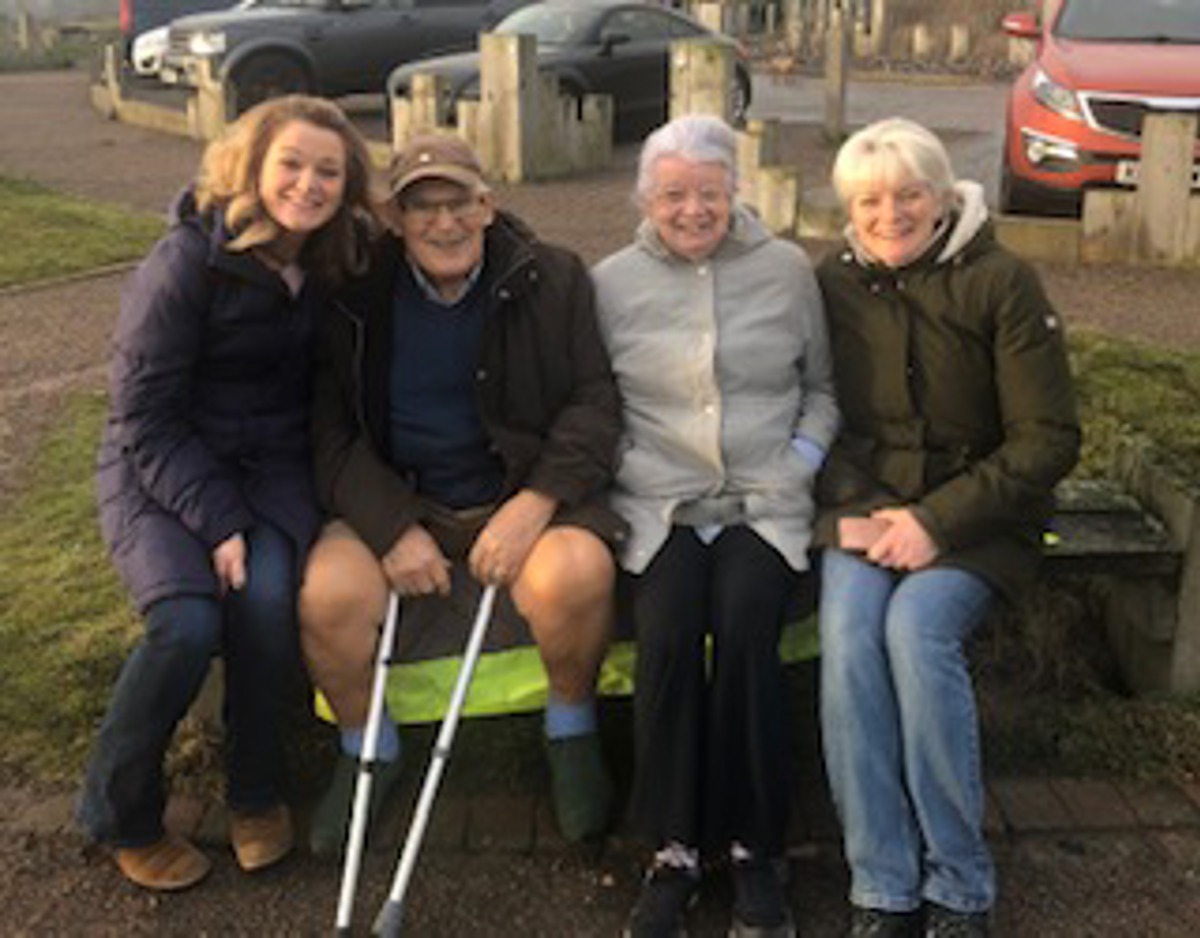
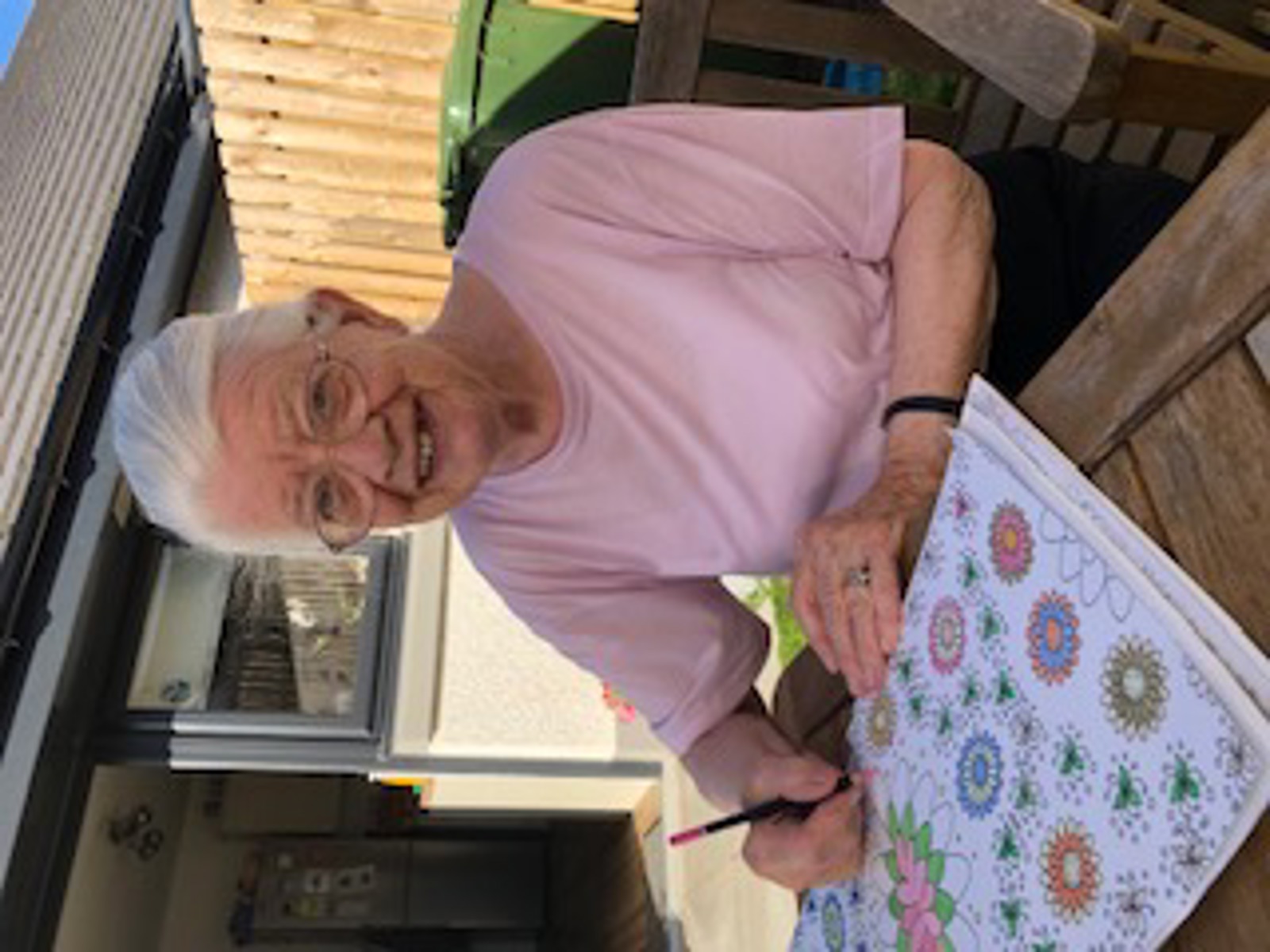
My mother is now 89 years old and living with Alzheimer’s Dementia, but most importantly she is living her life the way she wanted, independently at home supported by her exceptional team of personal assistants, family and friends.
As a result of the journey my family and I have been on, my sister, my husband, my in-laws and I have all granted a Power of Attorney, as you never know when it might be necessary."
(May 2026)
Case study: Guardianship
Andrina Robb from Inverness had to go down the Guardianship route, without a PoA in place:
"My mother-in-law, Marjory Robb, affectionately known by all of us as Granny, was living independently at home but in 2016, when she was 89 years old, I started to notice there were changes. I would go in with her shopping regularly and notice she was becoming more and more frail.
Then she started accusing me of stealing. It started with her saying I was stealing her embroidered pillow cases but soon it escalated to her saying I was not giving her all her pension. I took my eldest son, who as her closest blood relative was her next of kin, with me so he could witness it.
It continued like that for a few months then she would start saying that delivery drivers were hiding in the house. We still didn’t think we needed to do anything. The Red Cross were attending regularly, she was eating and she looked cared for. We just thought she was confused.
In 2017 she had a fall and broke her leg very badly. It was the nursing staff who asked if we had a health Power of Attorney in place. That’s when we realised that next of kin wasn’t going to be enough.
She was in hospital for a couple of months as a delayed discharge - we could see her deteriorating and started accusing nursing staff of stealing from her.
We got in touch with Granny’s solicitor; her will had recently been updated so she had met Granny and knew the family. She was so lovely but Granny got three capability assessments and failed them all. At that point we were told we needed to go down the Guardianship route.
The solicitor did that on our behalf, as it had to go through the Sheriff Court. There are so many forms to fill in and I, along with my eldest son, had to be assessed by social work to ensure we were fit to be a guardian. The Guardianship covered both financial and health but it was very intense, and it cost over £3000.
As intense and costly as it was, I was happy to do it as I wanted to protect Granny. If a Power of Attorney had been in place I know she would have appointed us. We would have had the authority, with her blessing, to make health and financial decisions for her.
Guardianship was the route we had to take as she did not have capacity to make those decisions anymore. It meant that every time we used her money for her, it had to go into the annual accounts. Anything over £20 had to be accounted for up until she died - the accounts are submitted annually and have to be approved. Having Power of Attorney in place would have prevented all that extra work from happening. What we wanted to do was spend time with her, not spend it doing admin. We spent so much time obtaining Guardianship we feel we lost time with her.
I would encourage everyone to have a Power of Attorney in place. If you’re getting your will done, get the Power of Attorney at the same time. Anyone can apply to be your guardian, but with Power of Attorney it is your choice."

Case studies: Welfare Support Team
Some anonymised case studies from Highland Council's Welfare Support Team related to Power of Attorney:
Case study 1
“A financial Power of Attorney plays a key role in managing everyday financial commitments and preventing disruption. Your appointed attorney can take care of essential day-to-day matters such as mortgages, rent, utilities, and council tax matters, ensuring payments are made on time and accounts remain in good order. This protects against missed payments, arrears, or unnecessary financial pressure building up.
For example, the Council’s Welfare Support team recently assisted David from Skye, who was able to enquire about and manage his father’s rental costs because a Power of Attorney was in place, enabling matters to be addressed promptly and preventing issues from escalating. This type of arrangement is particularly valuable in maintaining financial stability when someone is unable to manage their affairs independently.”
Case study 2
“Having a financial Power of Attorney in place also allows for timely intervention and coordinated support during periods of significant change.
Margaret from Wick was able to step in and manage her mother’s finances following a diagnosis of dementia -something that would have been far more complex without clear legal authority. With a Power of Attorney in place, the Council’s Welfare Support team could work directly with her, helping to review income and outgoings, signpost to partners to assist with care-related costs, and identify any additional financial entitlements.
This joined-up approach helps families navigate challenging circumstances, ensuring finances are stabilised quickly and the right support is put in place before issues arise.”
Case study 3
“Where a financial Power of Attorney is not in place, it can significantly delay the ability to intervene and provide coordinated support during periods of crisis or change.
In one case involving a resident in the north area, a family member was unable to step in and manage their parent’s finances following a sudden deterioration in health, as there was no legal authority in place. This created additional stress at an already difficult time and meant that access to bank accounts, payment of bills, and financial decision-making were all restricted.
Without Power of Attorney, the Council’s Welfare Support team is limited in how it can engage, often requiring more complex processes before support can be provided. This can delay income maximisation work, access to appropriate benefits, and referrals to partner agencies for help with care-related costs. As a result, financial pressures can escalate, and opportunities for early intervention may be missed.
This highlights the importance of having a Power of Attorney in place in advance, ensuring that families can act quickly, work in partnership with support services, and put the right financial arrangements in place before issues become more serious.”
Adult social care - related pages
-
Adult social care
Adult social work and social care is about meeting people's needs and outcomes. It is here to support people - as mu...
-
Support for individuals
Our services are here to promote the health and well-being of individuals in Highland and, where necessary, provide t...
-
Self-directed support
Self-Directed Support (SDS) is about assisting individuals who may need support to have maximum choice and control ov...
-
Unpaid carers
NHS Highland recognise the essential role that unpaid carers play and wants to provide support to unpaid carers to li...
-
Adult Support and Protection
In Scotland, the Adult Support and Protection (Scotland) Act 2007 exists to protect adults from harm.
-
Appropriate Adult service
Support for vulnerable adults involved in the criminal justice system in the Highland area.
-
Moving into a care home
Moving into a care home can be a daunting and stressful experience for residents and their families.
-
Power of Attorney
Power of Attorney (PoA) is a legal document that allows a person to appoint someone they trust to make decisions on t...
-
Power of Attorney case studies
Real stories about Power of Attorney and Guardianship.