
OpenLine and whistleblowing
'Whistleblowing' is another word for raising a concern or speaking up when things are not right.
Raising concerns prevents wrongdoing and harm, and ultimately leads to improvements in the NHS.
On this page
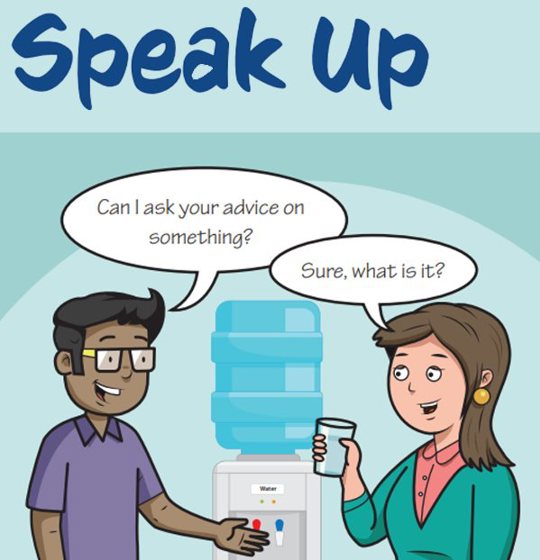

OpenLine
OpenLine is NHS Highland’s speak up and whistleblowing service. We are here to provide confidential support to all colleagues across our organisation.
Openline operates Monday to Friday, 9am to 5pm and can arrange Teams calls, phone calls or face-to-face meetings – whatever works best for you. We can also arrange to speak with you outside of normal working hours.
Whatever workplace matter you need to discuss, our team of two Confidential Contact advisers is here to listen and support you.
This is your service. OpenLine provides a safe, confidential space where you can speak openly and get impartial advice.
phone 01463 652 277
email nhsh.openline@nhs.scot
What is whistleblowing?
Whistleblowing means raising a concern in the public interest. This could include, for example:
patient safety issues
patient care issues
poor practice
unsafe working conditions
fraud (theft, corruption, bribery or embezzlement)
changing or falsifying information about performance
breaking any legal obligation
abusing authority
deliberately trying to cover up any of the above
Get in touch with OpenLine as your Confidential Contacts.
What users have said
“It was lovely speaking with you.”
“Your help and support is very much appreciated.”
“Thank you for taking the time to listen to me today, it was much appreciated.”
“Thanks so much for listening, and thank you for the leaflet.”
“I am feeling much better.”

Whistleblowing Champion
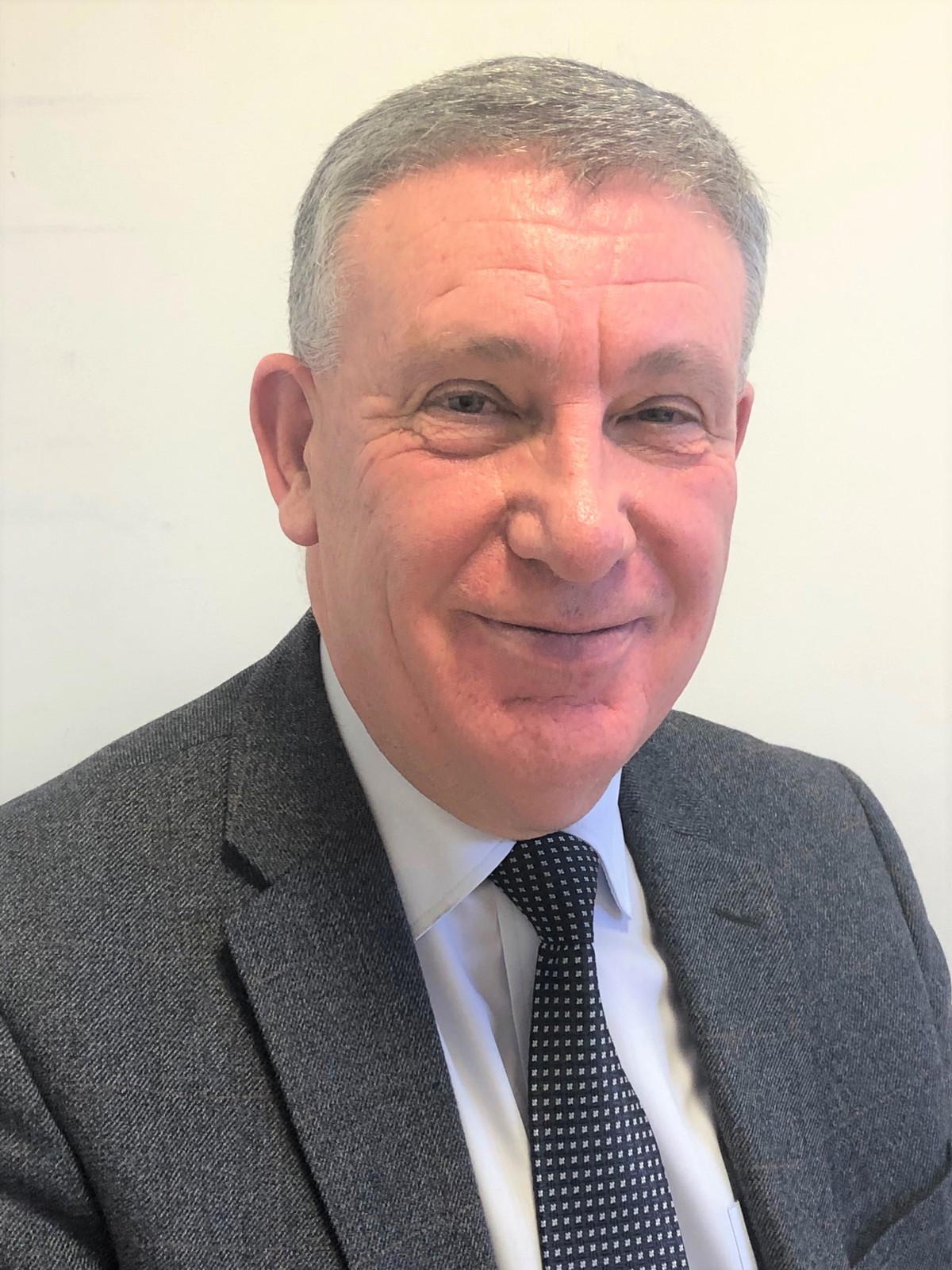
NHS Highland’s Whistleblowing Champion is Bert Donald. Bert’s role is an independent and impartial one. He is nationally appointed, and as a Non-Executive Director demonstrates the Board’s leadership of, and commitment to, the Standards.
email albert.donald@nhs.scot
Five years on: what's changed, what's next
Bert Donald writes:
"2026 marks five years of the National Whistleblowing Standards, with a national theme of 'Five Years of the Whistleblowing Standards: What's Changed? What's Next?'
As Whistleblowing Champion, one thing I hear often is that people assume speaking up means whistleblowing, and that whistleblowing is something formal, serious and slightly risky. Most concerns begin far more quietly than that, with a rota that doesn't sit right, equipment that isn't working as it should, care that could have been better, or a colleague who isn't being treated well. You don't need to be certain that something is wrong, and you certainly don't need to use the word whistleblowing, before you raise it.
Last year we handled eight formal whistleblowing cases across NHS Highland, covering clinical quality and patient safety, staffing and skill mix, training and supervision, governance, and team culture. Each led to something changing, whether that was a service review or redesign, a revised workforce plan, refresher training, stronger supervision and appraisal arrangements, better use of Datix/Healthcare Guardian, or a working group that reported back to staff through You Said, We Did.
That is the "what's changed" half of this year's theme, and it is the easier one. What comes next belongs to all of us, because colleagues still tell us they worry about being seen as a troublemaker or about nothing coming of it. I would rather hear a concern early, while it can still be resolved locally, than learn about it months later.
If something is on your mind, start with your line manager where you can, and if that isn't possible, OpenLine is available."
(September 2026)
National whistleblowing standards
Knowing how to speak up if you have a concern, and what to do if someone raises a concern with you, is hugely important to ensure our teams feel supported and the people who use our services are safe.
Most concerns can be quickly put right by speaking to your manager. We welcome suggestions for improvement.
The National Whistleblowing Standards set out how the Independent National Whistleblowing Officer expects all NHS service providers to handle concerns that are raised with them and which meet the definition of a "whistleblowing concern".
The Independent National Whistleblowing Officer (INWO) is the final stage of the process for those raising concerns about the NHS in Scotland.
NHSScotland Whistleblowing Policy - NHSScotland supports and encourages an environment where employees can raise concerns about patient safety and malpractice. Get in touch with OpenLine for more advice and support.
Whistleblowing principles for the NHS - from INWO
National guidance for NHS staff on speaking up in NHS Scotland - from INWO
Resources for staff
A staff login may be required for some of these resources.
Learn more about OpenLine and whistleblowing (intranet)
Frequently asked questions about OpenLine (pdf, 2025)
Whistleblowing Legal Protection Statement (pdf, June 2022)
There is National Whistleblowing Standards training on TURAS Learn for staff and managers about raising a concern, and how to handle a concern if you are the manager approached.
There is an alternative contact for general colleague feedback and suggestions:
email nhsh.listening@nhs.scot
Culture change and support for staff
-
Culture change and support - for staff
Our cultural transformation programme - Listening, Learning and Living Our Values.
-
OpenLine and whistleblowing
'Whistleblowing' is another word for raising a concern or speaking up when things are not right.