Roots of recovery - the Dunoon and Bute forest-based wellbeing programme
On this page
Endowment funding case study - enhancing care.
Identifying the need
Across Cowal and Bute, the Mental Health Occupational Therapy (OT) Service supports people living with significant and enduring mental health difficulties, including severe anxiety, agoraphobia, depression, low confidence, and profound social isolation. Some clients rarely leave their homes and struggle to engage with traditional hospital-based services.
With only one Occupational Therapist covering both geographical areas, caseloads are high and waiting lists can be lengthy. There was an opportunity to create accessible, meaningful, community-based group opportunities that reduce stigma, support recovery, and enable clients to rebuild confidence, social skills and a sense of belonging.
A small grant was provided to purchase materials and equipment that would allow the Bullwood Nature Trail (Dunoon) and Moss Wood (Bute) outdoor groups to continue safely, consistently, and sustainably.
The challenge on the ground
When the successful 12-week Branching Out programme came to an end, clients were left without the routine, structure and therapeutic benefit they had come to rely on. Several experienced a decline in mood and increased isolation.
Further challenges included:
- transport barriers, particularly for clients living in rural or outlying communities
- lack of outdoor equipment for sensory and woodland restoration work
- limited staffing and funding availability
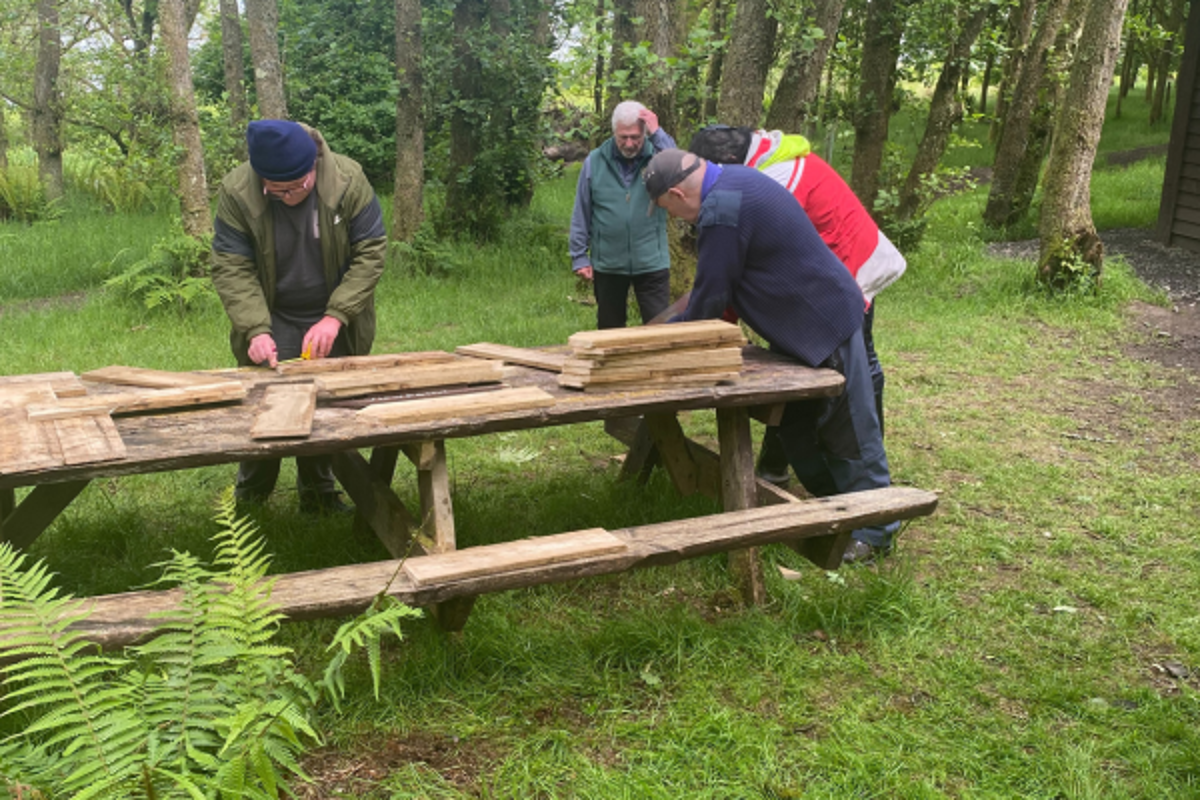
- fragile woodland sites, both dependent on volunteer labour and vulnerable to environmental decline without sustained input
Despite these barriers, demand for the group remained high and clients consistently reported the importance of the outdoor sessions to their health and wellbeing.
How we responded
To provide a sustainable solution, the OT service developed a collaborative model in partnership with Bullwood Nature Trail and Moss Wood community trusts.
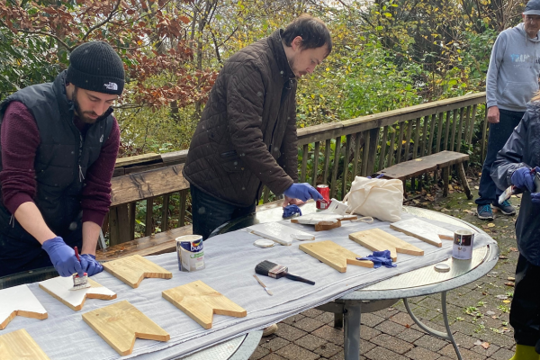
Using some funds donated to the charity in aid of the Community Mental Health service, the team were able to purchase key items for safe, therapeutic outdoor work including biodegradable tree protectors, seeds, herbs, fruits, perennial plants, and a Kelly kettle for fire-based cooking and hot drinks.
These items enabled the group to continue safely and effectively, while supporting long-term site development and client skill-building.
The change we achieved
The impact has been substantial: clinically, socially and environmentally.
Impact on clients
- Clients consistently reported that attending the project is the best and most important part of their week, giving them something positive to look forward to.
- Participation boosted mood, health and wellbeing, with clients noting they felt significantly better after attending.
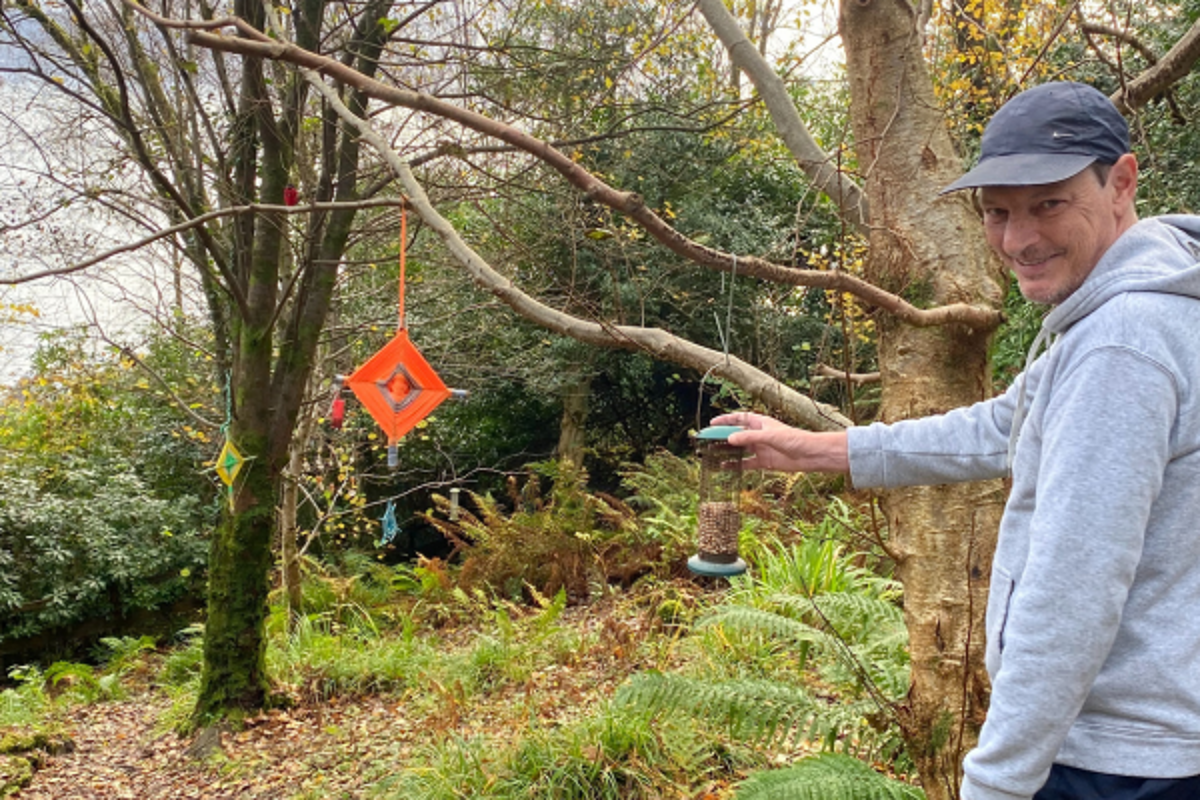
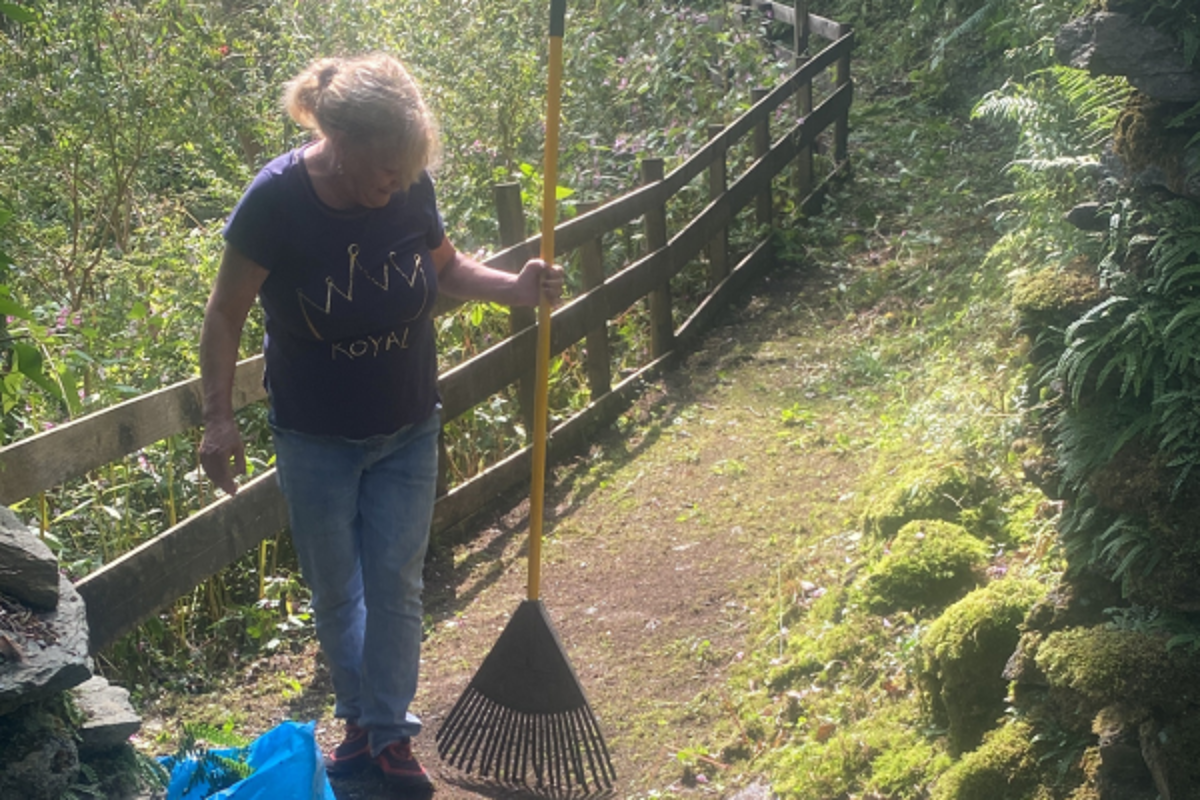
- The group became a safe collective community, where individuals found their own meaningful niche whether that be watering plants, tending to bird feeders, acting as warden for campfires, weeding and caring for paths.
- The environment allows clients to choose how long to stay outdoors, recognising personal needs and supporting autonomy.
- When unwell, clients can opt for gentle social interaction, sitting on the patio with a tea, which Specialist Occupation Therapist, Ella identifies as equally important for wellbeing.
- Several clients have expressed interest in attending further skills-training opportunities.
Clients shared the following feedback:
- “It gets me out of the house and gives me something to do.”
- “It has improved my abilities.”
- “Being out improves my mood, health and wellbeing.”
- “It makes me feel alive.”
- “The woods feel like 'my church'.”
- One client described the activity as “an important part of my rehabilitation.”
Impact on NHS Highland
Previously, when the OT was on leave, groups stopped entirely. Now, due to collective ownership, some clients attended the project even when the OT was away, which Ella describes as a major achievement and a key goal of the process. The group now runs weekly with typically 8 clients and 4 volunteers attending.
The journey ahead
This project has laid the foundations for a long-term shift toward community-based, sustainable occupational therapy.
With modest financial support the Bullwood and Moss Wood projects have demonstrated that meaningful occupation, community partnership and connection to nature can transform both individual recovery and local environments.
The journey ahead is one of continued growth, of people, of skills, and of thriving woodland spaces that the whole community can feel part of.